Introduction
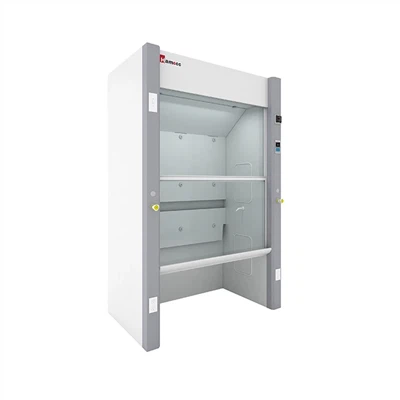
As a supplier deeply entrenched in the world of ducted fume hoods, I’ve fielded countless inquiries about the viability of using these vital pieces of equipment in industrial settings. The answer is not a simple yes or no; it depends on a spectrum of factors that I’ll explore in detail throughout this blog. Ducted fume hoods are designed to protect workers from hazardous fumes, vapors, and dust by expelling them outside the building. The question of their industrial use, however, requires a closer look at the unique challenges and requirements of industrial environments. Ducted Fume Hoods
The Functionality of Ducted Fume Hoods
Before delving into industrial applications, it’s essential to understand how ducted fume hoods work. At their core, these units are ventilation systems that capture contaminants at the source. They feature a work surface where operations are conducted, and a canopy or enclosure that surrounds the area to contain the fumes. A fan then draws the air and contaminants through a duct system and expels them outdoors. This process ensures that the indoor air quality remains safe for workers, protecting them from respiratory issues, chemical exposure, and other health hazards.
The efficiency of a ducted fume hood is measured by its capture velocity, which is the speed at which the air is drawn into the hood. A higher capture velocity typically indicates better performance, but it also requires more energy. The design of the hood, including the shape of the opening and the placement of airfoils, can also affect its ability to capture contaminants effectively.
Industrial Requirements
Industrial settings present a unique set of requirements that differ significantly from those of a laboratory or a small workshop. These environments often involve large-scale production processes, heavy machinery, and high volumes of chemicals. As a result, the demand for air quality control is much more stringent.
One of the primary concerns in industrial settings is the quantity of contaminants generated. Industries such as chemical manufacturing, metalworking, and pharmaceuticals produce large amounts of fumes, dust, and vapors. Ducted fume hoods need to be sized appropriately to handle these high volumes of contaminants. This means that industrial fume hoods often have larger dimensions and more powerful fans compared to those used in other settings.
Another important factor is the type of contaminants. Industrial processes can involve a wide range of chemicals, some of which may be particularly hazardous or corrosive. The materials used in the construction of the fume hood need to be resistant to these chemicals to ensure long-term durability and safety. For example, fume hoods used in the electroplating industry may require a lining made of polypropylene or other chemical-resistant materials to withstand the corrosive effects of acids and metal salts.
Advantages of Using Ducted Fume Hoods in Industrial Settings
There are several compelling reasons why ducted fume hoods are a great choice for industrial environments. Firstly, they provide a high level of protection for workers. By removing hazardous contaminants from the air, they significantly reduce the risk of occupational diseases and injuries. This not only improves the health and well-being of employees but also helps companies comply with strict environmental and safety regulations.
Secondly, ducted fume hoods contribute to the overall efficiency of industrial operations. A clean and healthy work environment leads to fewer sick days and higher productivity. Workers can focus on their tasks without the distraction of poor air quality, which can cause headaches, fatigue, and other discomforts.
In addition, ducted fume hoods can help protect equipment and machinery from damage caused by corrosive fumes and dust. By maintaining a clean environment, the lifespan of industrial equipment can be extended, reducing maintenance costs and downtime.
Challenges and Considerations
While ducted fume hoods offer many benefits, there are also some challenges and considerations when using them in industrial settings. One of the main challenges is the installation process. Industrial facilities often have complex layouts and existing ventilation systems, which can make it difficult to integrate a new fume hood. Professional installation is crucial to ensure that the hood is properly connected to the ductwork and functions efficiently.
Another consideration is the energy consumption of ducted fume hoods. The powerful fans required to move large volumes of air can consume a significant amount of energy, which can lead to high operating costs. To mitigate this issue, some modern fume hoods are designed with energy-efficient features such as variable air volume (VAV) controls, which adjust the airflow based on the actual demand.
Maintenance is also an important aspect. Regular cleaning and inspection are necessary to ensure that the fume hood continues to function properly. Filters need to be replaced regularly, and the ductwork should be checked for blockages or leaks. Failure to maintain the fume hood can result in reduced performance and potential safety hazards.
Customization for Industrial Applications
To meet the specific needs of industrial settings, ducted fume hoods can be customized in several ways. For example, the size and shape of the hood can be tailored to fit the available space and the requirements of the industrial process. Some industries may require specialized features such as explosion-proof construction, which is essential for environments where flammable chemicals are used.
The control systems of ducted fume hoods can also be customized. Advanced control systems can provide real-time monitoring of air quality, fan speed, and other parameters. This allows operators to adjust the settings as needed to ensure optimal performance and safety.
Case Studies
To illustrate the effectiveness of ducted fume hoods in industrial settings, let’s look at a few case studies. In a chemical manufacturing plant, the installation of ducted fume hoods in the production area significantly reduced the concentration of toxic fumes in the air. Workers reported fewer health issues, and the company was able to meet the strict environmental regulations.
In a metalworking factory, the use of customized ducted fume hoods helped to capture the high volumes of metal dust generated during the machining process. This not only improved the air quality but also reduced the maintenance requirements for the machinery by preventing dust from accumulating.
Conclusion
In conclusion, ducted fume hoods can indeed be used effectively in industrial settings. They offer a high level of protection for workers, contribute to the efficiency of operations, and help companies comply with environmental and safety regulations. However, it’s important to carefully consider the specific requirements of the industrial environment, such as the quantity and type of contaminants, the installation process, energy consumption, and maintenance.
Fume Hoods If you’re in an industrial setting and are considering the use of ducted fume hoods, I encourage you to reach out to me. I have extensive experience in supplying and customizing ducted fume hoods to meet the unique needs of industrial clients. Let’s have a detailed discussion about your requirements and explore how I can provide the best solution for your workplace.
References
- American Conference of Governmental Industrial Hygienists (ACGIH). "Threshold Limit Values (TLVs) for Chemical Substances and Physical Agents and Biological Exposure Indices (BEIs)."
- National Fire Protection Association (NFPA). "NFPA 45: Standard on Fire Protection for Laboratories Using Chemicals."
- Occupational Safety and Health Administration (OSHA). "29 CFR 1910.1450: Occupational Exposure to Hazardous Chemicals in Laboratories."
- ASHRAE (American Society of Heating, Refrigerating and Air-Conditioning Engineers). "Ventilation for Acceptable Indoor Air Quality."
HAMECC(Shanghai) Lab Solutions Co., Ltd.
We’re well-known as one of the leading ducted fume hoods manufacturers and suppliers in China, featured by quality products and good price. Please rest assured to buy customized ducted fume hoods made in China here from our factory.
Address: Building 1, No. 2222, Huancheng Road, Jiading District, Shanghai
E-mail: info@hamecc.com
WebSite: https://www.hamecc.com/
