Hey everyone, I’m gonna keep this real, no fancy jargon here—just the stuff I see every day running my H frame chicken cage supply business. If you’ve ever shopped for chicken housing, you know how much stress there is over keeping your flock safe. I get it—lost birds, stress that crushes egg production, even health scares that spread faster than wildfire. That’s why my team and I live and breathe making sure every H frame cage we ship actually delivers on keeping chickens not just contained, but safe. Let’s break this down like we’re chatting over coffee, no corporate fluff. H Frame Chicken Cage
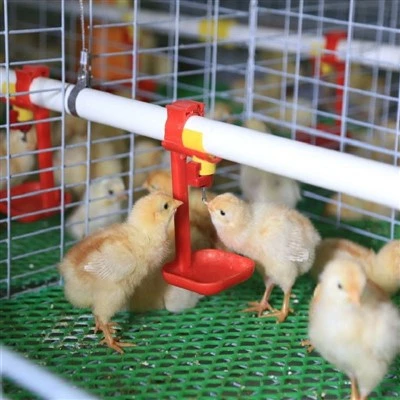
First off, let’s talk space—chickens are not sardines, even if people think they are. Back when I started this business, I visited a small farm where the old cages were so cramped, you’d see pecking order chaos every time the birds moved. Birds peck each other when they’re stressed, right? That’s not normal behavior—they’re just fighting over space. The H frame design is built with tiered spacing that actually follows natural chicken movement. Each tier has enough headroom, but not so high that birds flutter around and bang their heads. We calculate each compartment to give 0.3 to 0.4 square meters per chicken (that’s the standard we stand by, not some random number I pulled out of thin air). The frame itself is galvanized steel, so it’s sturdy enough not to sag, which means the spacing stays consistent for years, no warping that squeezes birds over time. I had a customer last year who switched from stacked wire cages (you know, the old 2-tier ones that cram everything tight) and said her pecking incidents dropped by 70% within a month. That’s not a stat—That’s real feedback from someone who was dealing with bloody feathers every other week.
Next up, ventilation—this is huge for safety, but it’s the thing most people sleep on. Chickens breathe out ammonia from their waste, and if that gets trapped, it burns their lungs and eyes, leading to respiratory infections that can wipe out a whole flock. The H frame’s sloped sides and tiered gaps create natural air flow without being drafty. Wait, I know what you’re thinking—“Drafty birds get sick too, right?” Yeah, exactly. So we design the gaps to let stale air escape from the bottom tier and fresh air pull in at the top, like a tiny natural wind tunnel inside the coop. No vents that get blocked by manure (I’ve seen that happen with cheap cage models—manure piles up on the vents, rendering them useless). Our frames have open edges so cleaning the vents is a breeze, which means you don’t have to pick at muck with a crowbar to keep air moving. A customer in Ohio had a problem with his old cages because ammonia levels hit 25 ppm in summer, and his hens started laying soft eggs. Switched to H frame, tested levels at 8 ppm, and within two weeks eggs were back to normal. That’s not luck—that’s how the frame’s air flow is engineered.
Manure management is another big one, and this is where a lot of cut corners go wrong. If manure piles up under the cages, it’s a breeding ground for bacteria, mites, and flies. Those mites carry diseases like avian influenza, and flies spread everything from salmonella to E. coli. The H frame has a sloped base for each tier, plus removable manure trays that slide out without disturbing the birds. The slope isn’t too steep—we tested it so manure doesn’t spill when you pull the tray out, but steep enough that it doesn’t cake and stick. No more climbing under the coop to scrape muck off a concrete floor (trust me, I did that for three years early on, hated every minute). We also use smooth galvanized metal for the trays, not rough plastic that bacteria sticks to. Cleaning takes 5 minutes per tier, and you can even use a hose if you’re in a hurry. One customer told me he used to spend 2 hours a day cleaning manure for his 500 hens, and now it’s 20 minutes. That’s not just time saved—it’s less exposure to harmful bacteria for him and his birds.
Wait, what about predators? I get it—if you’re raising chickens, foxes, raccoons, even neighborhood dogs can be a nightmare. The H frame is built with thick wire mesh, not the flimsy stuff you buy at a hardware store that a raccoon can tear through in 10 seconds. Our mesh has 2.5 cm x 5 cm gaps—small enough that a raccoon paw can’t get through, big enough that it doesn’t trap chicken wings or feet. The frame stands 2 meters off the ground on galvanized legs, so no digging predators can climb up from under. We also have locking doors on each compartment, not flimsy clips that a chicken can peck open. A customer in rural Pennsylvania had a fox get into his old wooden coop and kill 12 hens in one night. When he got our H frame, he said a raccoon tried to climb up and just slid off the smooth steel legs. No breaks, no losses. That’s the kind of safety people actually care about, not just what the manufacturer says in a brochure.
Oh, and temperature control—this is a big one for extreme climates. Whether you’re in a place that hits -20°C in winter or 35°C in summer, chickens can’t regulate their body temp like we can. The H frame’s open design helps with heat in summer, but we also offer insulated frame covers for cold months that are breathable, not airtight. I’ve seen cages that wrap the whole thing in plastic, trapping moisture and leading to frostbite on combs. Our covers are mesh-backed with a thin insulated layer, so they block wind but let moisture escape. In winter, the manure trays actually release a little heat as they decompose, which helps keep the bottom tier 2-3°C warmer than the outside, no extra heaters needed (saves you money on electricity too). A customer in Minnesota told me his hens stopped going into hiding in the coop in winter after switching to our frames—they were comfortable, not huddled together trying to stay warm.
Wait, let’s talk about stress, because stress is a silent killer for chickens. Stressed chickens don’t lay as many eggs, they get sick easier, and they’ll stop eating. The H frame’s tiered design lets chickens choose their space—some like the top tier where it’s higher up (naturally, they’re perching birds), some like the middle, some the bottom. No more overcrowding in one tier because the design spreads them out. Also, the wire we use is rounded at the edges, not sharp like some cheap cages. I’ve gotten reports from customers who said they used to find cuts on their hens’ wings from sharp wire, but not with our frames. That small detail makes a huge difference—no open wounds that get infected.
I should be honest, no product is perfect. The only thing we tell customers is that you still have to do basic stuff—change water, feed them, clean the manure trays regularly. The H frame doesn’t replace good farming practices, it makes them easier. We’ve had a few customers try to skip cleaning the trays every week and wonder why ammonia levels spiked—same as any cage, you have to maintain it. But the frame eliminates the stupid mistakes that come with bad design, like vents blocked by manure or sharp wire that cuts birds.
If you’re a small farm just starting out, or a big operation looking to cut losses from sick birds or predator attacks, the H frame is worth looking into. I’ve been in this game for 10 years, and I’ve seen so many cages that look good on paper but fall apart when you use them. Our cages are built to last—we use 10-year galvanization, so they don’t rust even if you leave them outside year-round. I stand behind every cage we sell, too—if there’s a defect, I’ll send a replacement the next day, no hoops to jump through.
At the end of the day, my business isn’t just selling cages. It’s helping people keep their flocks safe, so they don’t have to worry about losing birds. If you’re shopping around and want to ask questions about spacing, ventilation for your specific climate, or anything else about how our H frame works, hit me up. No sales pitch, just real answers from someone who’s been where you are. Let’s connect and figure out what setup works best for your chickens.
Poultry Spraying System References:
- North Carolina State University Extension. (2021). Housing and Management of Layer Chickens for Small-Scale Producers.
- Poultry Science Association. (2019). Effects of Housing Density and Ventilation on Chicken Welfare and Productivity.
- USDA Animal and Plant Health Inspection Service. (2020). Predator Control Guidelines for Small-Scale Poultry Operations.
Guangzhou Guangxing Poultry Equipment Group Co., Ltd.
Guangzhou Guangxing Poultry Equipment Group Co., Ltd. is one of the most professional h frame chicken cage manufacturers and suppliers in China, featured by quality products and good price. Welcome to buy CE approved h frame chicken cage made in China here and get pricelist from our factory. Customized orders are welcome.
Address: NO.2 Guangxing Road,Shating Taihe Town,Baiyun Guangzhou,China
E-mail: gxservice@cnguangxing.com
WebSite: https://www.guangxingcn.com/
