When I first started working in the structural supply industry nearly two decades ago, I’ll admit, alum beams weren’t the first thing that came to mind when contractors talked about “revolutionary building materials.” Back then, steel and solid timber dominated job sites, and aluminum was still seen as a lightweight afterthought—too soft, too pricey, too unproven for the heavy lifting of construction. That all changed over the years, and now as a supplier focused exclusively on alum beams, I get to see firsthand how this material evolved from a niche curiosity to a go-to solution for builders around the world. Let’s walk through that history, not just as a timeline, but as the story of how a material’s potential was unlocked for construction. Alum Beams
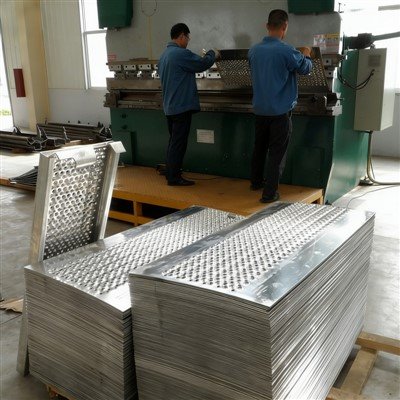
The roots of alum beams (short for aluminum beams, for anyone new to the space) actually stretch back to the late 19th century, right around the time aluminum itself was going from a lab experiment to a usable industrial metal. For decades, aluminum was rarer and more valuable than gold—early 1800s, scientists extracted it only in tiny batches, using expensive chemical processes. But in 1886, two inventors, Charles Martin Hall in the U.S. and Paul Héroult in France, independently developed the electrolytic smelting process that made aluminum affordable to produce at scale. Suddenly, aluminum was no longer a royal novelty (think Napoleon III’s dinnerware, where he saved the fancy aluminum plates for his most important guests) but a viable building material.
Early construction uses of aluminum were incremental at first. In the 1890s, builders used thin aluminum sheets for siding and roof flashing, but framing? No one touched that. The metal’s tensile strength—its ability to pull without breaking—seemed too low, and its stiffness too poor, to support the loads of floors, walls, or roofs. By the 1920s, however, engineers started experimenting with alloying aluminum with other metals like copper, magnesium, and manganese to boost its strength. These first aluminum alloys weren’t perfect, but they were strong enough to test in small structural beams. A handful of experimental buildings went up in major cities like New York and London, using aluminum beams for non-critical parts of the frame, like interior partitions or overhangs. The results were promising: aluminum beams weighed about half as much as steel beams of the same strength, which cut down on transport costs and reduced the load a building’s foundation had to carry. But there were kinks: the alloy used back then was prone to corrosion in humid climates, and welding it was tricky—early welds often failed under stress. Most contractors still stuck with steel, which they knew could stand up to decades of wear and tear.
The real turning point for alum beams came in the mid-20th century, during and after World War II. The war effort ramped up aluminum production exponentially—aircraft manufacturers relied on aluminum for fuselages and wings, so smelting plants expanded rapidly, driving costs down even more. Engineers also developed stronger, more corrosion-resistant aluminum alloys during this period. By the 1950s, alloys like 6061 and 6063—still the most common for structural beams today—hit the market. These alloys offered a perfect mix: high tensile strength, good weldability, and resistance to rust (a big step up from earlier alloys). Suddenly, alum beams were ready for structural use, not just decorative.
The first major commercial use of alum beams for a full structural frame came in the 1960s, with a series of low-rise office buildings in California. Builders loved the light weight: in earthquake-prone regions, a lighter frame reduces the risk of structural damage during seismic activity, as less mass means less force during tremors. Steel beams, by comparison, are heavy and can shift more in quakes. That’s not to say alum beams replaced steel—they still couldn’t match steel’s strength for very large, high-rise buildings, which need the sheer mass and durability of steel to support dozens of floors. But for mid-rise buildings, residential complexes, and industrial warehouses, alum beams started to carve out a niche. They also caught on fast in areas with harsh climates: coastal regions, where salt air corrodes steel, and industrial zones, where chemicals can eat away at metal. Alum beams hold up far better in those environments without regular painting or maintenance, which saved builders money in the long run.
Through the 1970s and 1980s, alum beams became more standardized. Suppliers like us started refining production methods: extruding aluminum into precise beam shapes (I-beams, box beams, and custom profiles) that matched the dimensions contractors already used for steel, so they didn’t have to rework their designs. Before that, alum beams were often custom-made and more expensive, but extrusion made mass production possible, cutting costs and making them compatible with existing construction workflows. By the 1990s, alum beams were no longer a novelty—they were a recognized building material, with building codes updating to include specific standards for aluminum structural members. The International Building Code (IBC) in the U.S. added provisions for alum beam strength and installation in 1998, which legitimized them for mainstream use.
The 2000s brought another wave of adoption, driven by two big trends: sustainability and modular construction. Builders were increasingly focused on reducing a building’s carbon footprint, and aluminum is one of the most recyclable materials on the planet. Unlike steel, which can lose some of its quality when recycled, aluminum can be melted down and reused infinitely without degradation. When a building’s life cycle ends, alum beams can be 100% recycled, compared to steel’s 90% recycling rate (still great, but aluminum edges out). That makes alum beams a far more eco-friendly choice, especially for green buildings that aim for LEED certification.
Modular construction, too, was a game-changer for alum beams. Modular buildings are built in sections off-site, then transported to the job site and assembled. Lightweight materials cut down on transport costs—trucks can carry more modular sections if the frame is lighter—so alum beams became a favorite for modular builders. They’re also easy to cut and drill on-site, which speeds up assembly and reduces labor time. I’ve worked with modular crews who tell me they can install alum beams 30% faster than steel, because there’s less heavy lifting and fewer custom adjustments.
Of course, alum beams aren’t without their challenges. They do have a lower strength-to-weight ratio than steel for very long spans—if you need a beam to stretch 60 feet or more, steel is still the more practical choice. And while aluminum is corrosion-resistant, it can suffer from galvanic corrosion if it’s in direct contact with other metals like steel or copper, so contractors have to use proper insulation between materials. But for millions of construction projects—from single-family homes to 10-story apartment buildings—those downsides are minor compared to the benefits.
Today, alum beams are more popular than ever, and as a supplier, I’m proud to be part of that growth. What I love most about this material is how it’s evolved from a scientific curiosity to a solution that addresses real needs: lighter loads, lower maintenance, sustainability, and speed. I’ve watched first-time contractors test alum beams on a small project and come back for large commercial builds, citing how easy they are to work with and how much money they save on transport and long-term upkeep. I’ve also seen architects use custom alum beams for iconic designs—like the curved overhangs on a beachside hotel in Florida, where steel would have been too heavy and prone to salt corrosion.
If you’re considering alum beams for your next project, whether it’s a small residential addition or a mid-rise office complex, I can help you navigate the options. Our team works with builders to choose the right alloy, profile, and size for your specific needs, and we offer competitive pricing on standard and custom alum beams. We also provide support for installation best practices, to ensure you get the most out of the material.

Ready to talk through your project requirements, compare alum beams to other materials, or get a quote? Reach out to our team to discuss how alum beams can fit your construction needs. We’re here to answer all your questions, from material specifications to delivery timelines, and help you make the right choice for your build.
Scaffolding Accessories References
- ASM International. (2008). Aluminum Alloys: Structure and Properties. Materials Park, OH: ASM International.
- International Code Council. (1998). 1997 International Building Code. Country Club Hills, IL: International Code Council.
- Davis, J. R. (1993). Aluminum and Aluminum Alloys. Materials Park, OH: ASM International.
- National Association of Home Builders. (2015). Sustainable Building Guidelines for Lightweight Construction. Washington, DC: NAHB.
- Construction Specifications Institute. (2020). Section 05100: Structural Metal Framing. Alexandria, VA: Construction Specifications Institute.
Rizhao Wellfit Scafform Co., Ltd.
Address: No. 7, Huasheng Road, Taoluo Town Industrial Zoon, Donggang District, Rizhao City
E-mail: sales@wfscafform.com
WebSite: https://www.wfscafform.com/
