As a seasoned supplier of PP plastic products, I’ve witnessed firsthand the versatility and durability that these items bring to the table. Polypropylene (PP) plastics are renowned for their wide – ranging applications, from household goods to industrial components. However, ensuring the longevity and optimal performance of these products requires proper maintenance. In this blog, I’ll delve into the essential maintenance requirements for PP plastic products. Pp Plastic Products

Understanding the Basics of PP Plastic
Before delving into maintenance, it’s crucial to understand what makes PP plastic unique. PP plastic is a thermoplastic polymer known for its high melting point, good chemical resistance, and excellent mechanical properties. It is lightweight, tough, and flexible, making it suitable for various uses. Its resistance to moisture, fatigue, and crack propagation gives it an edge over many other plastics. However, like all materials, it has its limitations and requires specific care to maintain its properties over time.
Cleaning Guidelines
One of the most fundamental aspects of maintaining PP plastic products is regular cleaning. Dirt, dust, and grime can accumulate on the surface of these products, not only affecting their appearance but also potentially compromising their integrity in the long run.
For routine cleaning, a mild soap solution is often sufficient. Mix a small amount of gentle dish soap with warm water. Use a soft cloth or sponge to apply the solution to the PP plastic surface. Gently wipe the surface in a circular motion, paying attention to any crevices or hard – to – reach areas. Avoid using abrasive sponges or brushes, as they can scratch the plastic surface, making it more prone to damage and discoloration.
After cleaning, rinse the surface thoroughly with clean water to remove any soap residue. And then, dry the product with a soft, clean cloth. This not only prevents water spots from forming but also helps in keeping the plastic dry, which is important for preventing the growth of mold and mildew.
In cases where there are stubborn stains on PP plastic products, a more targeted approach may be required. For oil – based stains, a solution of isopropyl alcohol and water can be effective. Mix equal parts of isopropyl alcohol and water, and apply it to the stained area using a soft cloth. Allow the solution to sit on the stain for a few minutes before gently rubbing it. Again, be careful not to scrub too hard.
If the product has ink or marker stains, you can try using a plastic – safe cleaning solvent. Before applying the solvent to the entire stain, test it on a small, inconspicuous area of the plastic to ensure it doesn’t cause any discoloration or damage. Once you’ve confirmed its safety, apply the solvent to the stain and gently wipe it away.
Storage Considerations
Proper storage plays a significant role in maintaining PP plastic products. When not in use, these products should be stored in a cool, dry place. Excessive heat can cause PP plastic to warp or deform. High temperatures can reduce the plastic’s mechanical strength and cause it to lose its shape. Therefore, it’s best to avoid storing PP plastic products in areas where they will be exposed to direct sunlight or near heat sources such as radiators and ovens.
Moisture is another enemy of PP plastic. Storing the products in a damp environment can lead to the growth of mold and mildew on the plastic surface. It can also cause the plastic to become brittle over time. If you need to store PP plastic products in a basement or garage, consider using moisture – absorbing products such as silica gel packets to keep the storage area dry.
In addition to temperature and moisture control, it’s important to store PP plastic products in a way that minimizes the risk of physical damage. Avoid stacking heavy items on top of PP plastic products, as this can cause them to crack or break. If possible, store them in a dedicated storage container or on a shelf where they won’t be knocked over or crushed.
Avoiding Chemical Exposure
PP plastic has good chemical resistance, but it’s not immune to the effects of certain chemicals. Exposure to harsh chemicals can cause the plastic to degrade, become discolored, or lose its structural integrity.
Avoid contact with solvents such as acetone, benzene, and toluene. These solvents can dissolve PP plastic or cause it to swell and crack. If accidental contact with such chemicals occurs, immediately rinse the product with plenty of water and follow up with a mild soap and water cleaning.
Household cleaning products also need to be used with caution. Some bleach – based cleaners, strong alkaline or acidic cleaners can damage PP plastic. Always check the label of cleaning products before using them on PP plastic products. If in doubt, test the cleaner on a small, hidden area first.
Dealing with Physical Damage
Despite taking all the necessary precautions, PP plastic products may still sustain physical damage from time to time. Minor scratches can usually be buffed out using a plastic – specific scratch remover. These products are designed to fill in the scratches and restore the smooth appearance of the plastic surface.
For small cracks or breaks, there are specialized plastic adhesives available on the market. Before applying the adhesive, clean the damaged area thoroughly to remove any dirt or debris. Follow the instructions on the adhesive carefully to ensure a proper bond.
In cases of more severe damage, such as large cracks or a section of the product being broken off, it may be more cost – effective to replace the product rather than attempting to repair it. However, if the product is a custom – made or high – value item, professional repair services may be an option.
Regular Inspections
Regular inspections are an important part of maintaining PP plastic products. By inspecting the products on a regular basis, you can detect any signs of damage, wear, or degradation early on. This allows you to take appropriate action before the problem becomes more serious.
During an inspection, look for cracks, scratches, discoloration, or any signs of warping. Check the joints and connections of the product to make sure they are secure. If you notice any issues, address them immediately using the appropriate maintenance techniques.
Maintenance for Different Types of PP Plastic Products
The maintenance requirements may vary slightly depending on the type of PP plastic product. For example, PP plastic containers used for food storage need to be cleaned more frequently and thoroughly to prevent the growth of bacteria. They should also be checked regularly for any signs of wear that could affect their ability to keep food fresh.
PP plastic furniture should be protected from excessive sunlight, which can cause fading and embrittlement. It’s a good idea to use furniture covers when the furniture is not in use, especially if it’s placed outdoors.
PP plastic pipes in plumbing systems require regular checks for leaks and blockages. Since they are often buried or hard – to – reach, having a professional inspection periodically can help ensure their proper functioning.
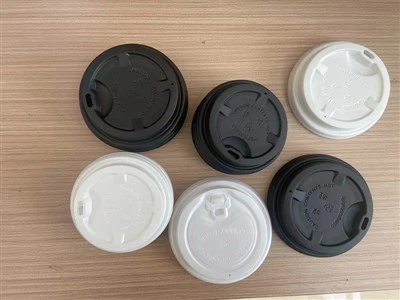
In conclusion, proper maintenance of PP plastic products is essential for maximizing their lifespan and performance. By following the cleaning guidelines, storing them correctly, avoiding chemical exposure, dealing with physical damage promptly, and conducting regular inspections, you can keep your PP plastic products in excellent condition.
Paper Products As a leading supplier of PP plastic products, we are dedicated to providing you with high – quality items. If you have any specific questions about the maintenance of our products or are interested in purchasing our PP plastic products, we encourage you to reach out to our sales team. We are more than happy to assist you in choosing the right products for your needs and provide you with professional advice on their maintenance.
References
- "Plastic Materials and Their Properties" by J. A. Brydson
- "Handbook of Polymer Science and Technology"
- Various industry – specific research papers on PP plastic maintenance.
Shandong Microtec Technology Co., Ltd.
As one of the most professional pp plastic products manufacturers and suppliers in China, we’re featured by quality products and good price. Please rest assured to buy bulk high-grade pp plastic products from our factory. Contact us for pricelist and quotation.
Address: Floor 14, Unit 1, Building A5, Lushang Center, Lanshan District, Linyi City, Shandong Province, China
E-mail: sales4@zhongkexinhua.com
WebSite: https://www.sdmicrotec.com/
