Hey there! As a supplier of pedestrian bridge rubber pads, I’ve been getting a lot of questions lately about how these rubber pads interact with the bridge structure. So, I thought I’d take some time to break it down for you in this blog post. Pedestrian Bridge Rubber Pad
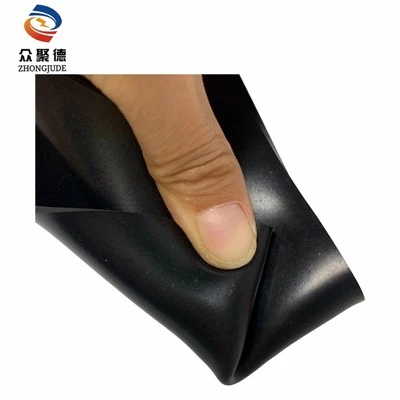
First off, let’s talk about why we even use rubber pads in pedestrian bridges. Rubber pads play a crucial role in the overall performance and safety of the bridge. They act as a buffer between the bridge structure and the deck, helping to absorb shock and vibration. This is super important, especially in high-traffic areas where the constant movement of pedestrians can cause a lot of stress on the bridge.
One of the main ways rubber pads interact with the bridge structure is through load distribution. When pedestrians walk on the bridge, their weight creates a load that needs to be evenly distributed across the structure. Rubber pads help to do just that. They have a certain amount of flexibility, which allows them to conform to the shape of the bridge deck and spread the load more evenly. This reduces the stress on individual parts of the bridge, preventing premature wear and tear and extending the lifespan of the structure.
Another important aspect of the interaction between rubber pads and the bridge structure is their ability to dampen vibrations. When people walk, run, or jump on the bridge, it creates vibrations that can resonate through the structure. These vibrations can not only be annoying for pedestrians but can also cause damage to the bridge over time. Rubber pads act as a vibration damper, absorbing the energy from the vibrations and reducing their amplitude. This helps to keep the bridge stable and quiet, providing a more comfortable and safe walking experience.
The adhesion between the rubber pads and the bridge structure is also crucial. A good bond ensures that the rubber pads stay in place and perform their functions effectively. We use special adhesives and surface treatments to ensure a strong and durable bond between the rubber pads and the bridge deck. This prevents the pads from shifting or slipping, which could lead to uneven load distribution and potential safety hazards.
Now, let’s talk about the material properties of the rubber pads and how they affect their interaction with the bridge structure. The hardness of the rubber is an important factor. Harder rubber pads are more resistant to wear and tear but may not be as effective at absorbing shock and vibration. Softer rubber pads, on the other hand, are better at damping vibrations but may be more prone to damage. We carefully select the rubber material based on the specific requirements of the bridge, such as the expected traffic volume and the type of bridge structure.
The chemical resistance of the rubber pads is also important. Bridges are exposed to a variety of environmental factors, including water, chemicals, and UV radiation. The rubber pads need to be able to withstand these conditions without deteriorating. We use high-quality rubber compounds that are resistant to weathering, oxidation, and chemical attack, ensuring that the pads remain in good condition for a long time.
In addition to the physical and chemical properties, the design of the rubber pads also plays a role in their interaction with the bridge structure. We design the pads with specific shapes and patterns to optimize their performance. For example, some pads have a ribbed or textured surface, which increases the friction between the pad and the bridge deck, improving the adhesion and stability. Others have a hollow or cellular structure, which helps to reduce the weight of the pads while still maintaining their strength and shock-absorbing capabilities.
So, how do we ensure that our rubber pads are the best fit for your pedestrian bridge? Well, we start by working closely with you to understand your specific needs and requirements. We’ll ask you about the type of bridge, the expected traffic volume, the environmental conditions, and any other factors that may affect the performance of the rubber pads. Based on this information, we’ll recommend the most suitable rubber material, design, and installation method for your project.
Once we’ve determined the best solution for your bridge, we’ll manufacture the rubber pads to your exact specifications. We use state-of-the-art manufacturing processes and quality control measures to ensure that every pad meets our high standards of quality and performance. And we’re not just here to sell you the pads; we also offer professional installation and maintenance services to ensure that your rubber pads are installed correctly and continue to perform their functions effectively over time.
If you’re in the market for pedestrian bridge rubber pads, I’d love to hear from you. Whether you’re a bridge designer, contractor, or facility manager, I can help you find the best solution for your project. We have a wide range of rubber pads to choose from, and we can customize them to meet your specific needs. So, don’t hesitate to reach out and let’s start a conversation about how we can work together to make your pedestrian bridge safer, more comfortable, and more durable.
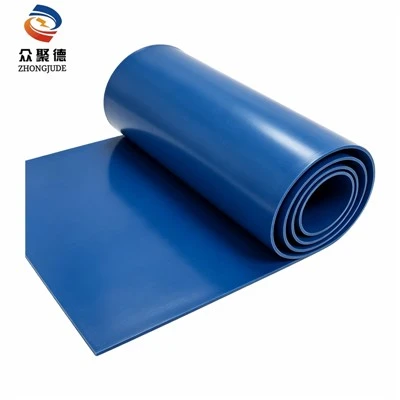
In conclusion, pedestrian bridge rubber pads interact with the bridge structure in a variety of ways, from load distribution and vibration damping to adhesion and material resistance. By understanding these interactions and choosing the right rubber pads for your bridge, you can ensure the long-term performance and safety of your structure. If you have any questions or need more information, feel free to contact me, and I’ll be happy to help.
Acid Resistant Rubber Sheet References
- "Bridge Engineering Handbook"
- "Rubber Technology and Compounding"
Hebei Zhongjude Power Technology Co., Ltd.
With abundant experience, we are one of the most reliable pedestrian bridge rubber pad manufacturers and suppliers in China. Welcome to buy bulk high quality pedestrian bridge rubber pad for sale here and get quotation from our factory. For price consultation, contact us.
Address: Shenghe Plaza, No. 88 Qilian Street, High-tech Zone, Shijiazhuang City, Hebei Province, China
E-mail: zhongjude@outlook.com
WebSite: https://www.zjdinsul.com/
