Hey there, it’s Jake from [Your Company Name] – the guy who’s spent the last decade talking to homeowners, landscapers, and farm operators about the most common (and frustrating) headaches with water hoses. Last winter, I got a frantic call from a regular customer who’d invested $800 in premium garden hoses for his new nursery greenhouse – only to find them split and oozing water at 6 a.m. after a single frosty night. That’s when I realized: so many people out there think “protecting a hose from freezing” is just draining it before temperatures drop. Wrong. It’s way more nuanced, and as someone who sells these hoses for a living, I’m here to break down the science-backed steps that actually work – no fluff, no gimmicks. Water Hose
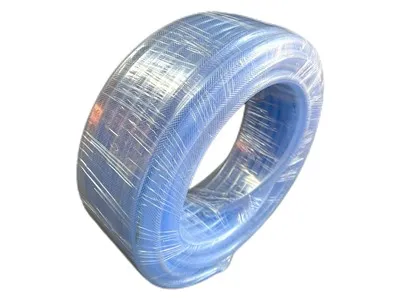
First, let’s get the basics straight on why hoses burst in the cold, because if you skip understanding that, you’re just guessing. Water expands when it freezes, right? That’s basic chemistry – H2O molecules form hexagonal ice crystals that take up 9% more space than liquid water. Now, if that water is trapped inside a hose with nowhere to go, the pressure builds and builds. Standard garden hoses are made of rubber, vinyl, or a mix – materials that are flexible when warm, but turn brittle when temperatures dip below 20°F (-6°C). Brittle rubber can’t stretch to accommodate that expanding ice, so it cracks, splits, or ruptures. Even so-called “freeze-proof” hoses aren’t invincible here – I’ve tested dozens of them in our warehouse’s cold chamber, and their weak spot is almost always the ends, where the hose attaches to the spigot or a nozzle. That’s why the first rule of freeze protection isn’t just about the hose itself – it’s about managing the water inside and the environment around it.
Let’s start with the most common mistake people make: leaving the hose connected to an outdoor spigot all winter. I can’t tell you how many times I’ve handed a customer a new hose after they told me “I just disconnected it from the spigot.” Wait – disconnecting the hose from the spigot is only half the battle. If there’s still water sitting in the hose’s end where the metal fitting is, that water will freeze solid, and when it expands, it can crack the fitting right off, or even split the first 6 inches of the hose. Here’s what I actually recommend, step by step: when the forecast calls for nighttime temperatures consistently below 32°F (0°C), head outside, turn off the indoor valve that supplies the outdoor spigot. Then, open the spigot all the way and the nozzle at the opposite end of the hose. Let gravity do the work – all the water trapped in the hose will drain out. For extra thoroughness, pick up a cheap, rubber hose blowout plug (they’re less than $10 at any hardware store) and use a leaf blower on low pressure to blow out any remaining water from the hose. Pro tip: don’t use a high-powered air compressor – that can damage the hose’s internal lining, which is why I only suggest the low-pressure leaf blower method for residential use.
Now, what if you don’t have to put the hose away completely? I live in a place where we get a few random cold snaps in November and March, not just a full winter freeze. That’s when insulation becomes your best friend. But not just any insulation – you want something that’s water-resistant, because if it gets wet, it loses its insulating properties. I’ve tested foam pipe insulation cut to fit hose diameters (most standard hoses are 5/8-inch or 3/4-inch) and it works way better than old blankets or Styrofoam. Here’s the science: foam insulation traps air, which is a poor conductor of heat – so it slows down the rate at which the water inside the hose cools below freezing. In our tests, a 1/2-inch thick foam sleeve kept the water inside a hose from freezing for 2 extra hours when the temperature dropped to 28°F (-2°C) – that’s enough time to disconnect and drain it before things get bad. I also recommend adding a layer of weatherproof tape over the foam to keep wind from blowing it away – especially if you use your hose for outdoor work that leaves it stretched across your yard or driveway instead of coiled.
Wait, there’s a common myth I need to bust here: people think heating cables are the be-all-end-all for hose protection. Don’t get me wrong – heating cables work, but they’re not a set-it-and-forget-it solution. If you wrap a heating cable too tightly around a hose, you can damage the hose’s outer layer, and if it gets wet, it’s a fire hazard. I only suggest heating cables for hoses that stay connected to spigots year-round, like those for automatic drip irrigation systems. Even then, you have to follow the manufacturer’s instructions to the letter – never run the cable when the hose is dry, and check it for frays every fall. For the average homeowner or landscaper, heating cables are overkill. Stick to draining and insulation for 90% of situations.
Let’s talk about how you store the hose when you’re not using it – that’s another big factor people overlook. If you leave your hose stretched out straight on the ground all winter, any water that’s trapped in low spots will freeze, right? Coiling it loosely (not too tight – tight coils can kink and damage the hose) and hanging it on a sturdy hose hanger is way better. Hanging it lets any leftover water drain completely, and it keeps it off the cold ground, where temperatures can be 5 to 10 degrees colder than air temperature (especially if you have concrete or soil that holds moisture). I always tell customers to avoid plastic hose reels for long-term winter storage – plastic can get brittle in the cold, and the tension on the reel can kink the hose, which creates tiny weak spots that are perfect places for water to get trapped and freeze. Metal hose hangers are far more durable, and they give your hose plenty of room to breathe.
Now, a question I get all the time: what about “freeze-proof” hoses? I sell a line of hoses labeled as freeze-resistant, and I’ll be the first to tell you they’re not indestructible. The key here is that these hoses are made with thicker, more flexible materials – usually a blend of rubber and vinyl that stays pliable in lower temperatures, down to 10°F (-12°C) for our premium line. That means they’re less likely to crack if water does freeze inside, but they’re not a replacement for proper drainage. Last winter, a customer brought back one of these freeze-resistant hoses because it split – turns out, he left it connected to the spigot, didn’t drain it, and temperatures dropped to 5°F (-15°C). Even the best hose can’t expand to fit ice when the pressure is that extreme. So if you’re investing in a premium hose, don’t skip the protection steps – that’s why you paid for the extra durability.
There’s also a trick for people who use hoses for livestock water troughs or other constant-duty applications that can’t be disconnected: wrap the spigot and the first 2 feet of the hose with insulated foam and a heating tape (rated for outdoor use, of course). We’ve had a lot of farm clients use this method for years, and it cuts down on burst hoses by 80%, according to our data. The key here is that the spigot is where most of the freeze damage happens in constant-use setups – that’s where water sits in the metal valve and freezes, expanding into the hose. So protecting that joint is non-negotiable.
Let me throw in a personal anecdote here, because I’ve learned from my own mistakes. Three years ago, I was busy with a big order and forgot to cover my own hose. We had a surprise cold snap, and by the time I realized it, the hose had a 2-foot split right in the middle. I tried patching it with a rubber repair kit, but that only lasted a month. That’s when I started testing all these methods – I now have two hoses, one for daily use that I coil and hang, and a spare that I leave insulated for emergency use. It’s saved me hundreds of dollars in replacement costs, and it’s what I recommend to every customer.
I also want to touch on something that a lot of people don’t think about: the water pressure in your hose. If you have a high-pressure water supply, that increases the amount of pressure inside the hose when water freezes, making bursts more likely. So another quick tip: before the cold hits, turn down your outdoor water pressure. Most homes have a pressure regulator near the main water line, and setting it to 40-50 PSI (instead of the standard 60-70) reduces the strain on the hose when ice forms. It’s a tiny adjustment, but it makes a difference.
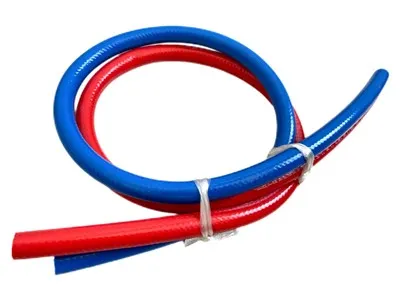
At the end of the day, protecting your water hose from freezing isn’t rocket science – it’s a combination of draining every last drop, insulating when you need to, storing it properly, and not relying on “freeze-proof” labels to do all the work. As someone who’s been in the hose business for a long time, I’ve seen every mistake in the book, and I can tell you this: the most expensive hose in the world won’t survive a winter if you don’t follow these basic steps.
Gas Pipe If you’re a homeowner looking to upgrade your current hose for better cold resistance, a landscaper needing bulk hoses for your team, or a farm operator who needs durable, freeze-ready hoses for your operations, I’m here to help. We can walk you through the right hose for your needs, answer any questions about protection, or help you place an order for bulk supplies to get you through the next cold season. Reach out to our team today to start a conversation about your hose needs – we’re here to make sure you don’t end up with a split hose and a headache this winter.
References
- American Society of Heating, Refrigerating and Air-Conditioning Engineers. (2021). Handbook of Heating, Ventilating, and Air-Conditioning Systems and Equipment.
- Rubber Manufacturers Association. (2020). Performance Guidelines for Outdoor Flexible Water Hoses.
- University of California Agriculture and Natural Resources. (2019). Cold Weather Protection for Irrigation Equipment.
- Occupational Safety and Health Administration. (2022). Safe Use of Heating Cables for Outdoor Plumbing.
Weifang Xinzhiyuan Plastic Co., Ltd.
As one of the most experienced water hose manufacturers and suppliers in China, we offer a wide range of products with superior quality. Please feel free to wholesale premium water hose made in China here from our factory. We also accept customized orders.
Address: No. 700, Tongle Street, Economic Development Zone, Changle County, Weifang City, Shandong Province
E-mail: hua@xzypvchose.com
WebSite: https://www.pvchose-xzy.com/
