If you’ve ever walked through a textile mill—especially one processing cotton, wool, or blended fabrics—you know textile brushing machines are the unsung heroes of a finished product’s look and feel. These machines pull loose fibers to create a soft, even nap, or finish delicate knits and wovens so they feel luxurious next to skin. As a supplier who’s spent 12 years selling, servicing, and troubleshooting these machines for mills across the US and Southeast Asia, I’ve seen every small and large problem that can pop up during a run. The worst part? A single brush jam or uneven nap can halt a production line for hours, costing thousands in lost orders and late fees. In this post, I’ll break down the most common issues I see, why they happen, and the proven fixes we walk every client through—no fancy, untested hacks, just real solutions that keep your line running. Textile Brushing Machine
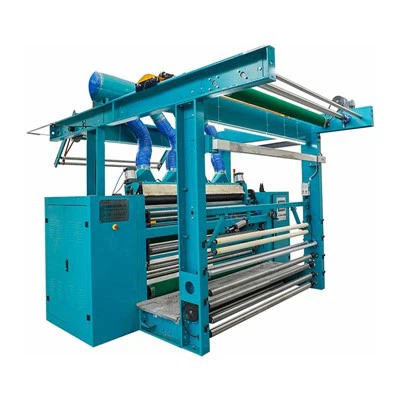
First, let’s ground this: brushing machines work by running fabric over rotating brush cylinders (often made of nylon, wire, or natural fiber brushes) that lift and align surface fibers. They sit after shearing or singeing lines, usually, so the fabric is already cut to length before brushing. That context matters because most problems tie back to either the brushes themselves, fabric feeding, or tension settings—three areas I troubleshoot in 90% of service calls.
The number one most frequent complaint I get is uneven nap, or “snake skin” as we call it in the trade. It’s when parts of the fabric have a thick, matted nap while others are smooth, or the nap height varies by a quarter-inch or more across a single roll. I saw this just last month with a small mill in North Carolina that was producing flannel for a major apparel brand. They blamed a faulty machine at first, but when I pulled up their logbook, I noticed they’d swapped out a set of standard nylon brushes for cheap wire brushes to save money. Here’s the real root: if the brush cylinder is misaligned in its track, or the brush pack is worn unevenly (instead of being replaced in full sets, the mill had swapped individual brushes when some broke), you’ll get variable fiber pull. Another hidden culprit? Fabric tension. If the feed rollers are pulling the fabric too tight on one side and too loose on the other, the fabric stretches differentially, so some sections sit further from the brush than others—meaning fibers don’t get pulled evenly. I’ve also seen mills skip regular cleaning: lint and loose fabric fibers build up on the brush cylinders and the bed plate, so the brush can’t make consistent contact with the fabric. The fix isn’t just cranking up the brush speed, either. For uneven nap, first always inspect alignment: our machines require zero gap between the brush cylinder and the bed plate (usually set to 0.125mm for woven fabrics, adjust to 0.18mm for plush flannels)—any more and contact is uneven. Second, never mix old and new brushes; replace full sets every 600-800 running hours (we provide a free brush replacement log with every machine we sell, and our service team m automated reminder texts). For tension, calibrate your feed rollers weekly: use a tension meter to maintain 15-20 N per meter of fabric width, depending on material. And schedule a 10-minute post-run brush cleaning with a soft bristle brush every shift to clear built-up lint— I once had a mill that skipped this and saw nap uniformity drop 40% in three weeks.
Second common issue: brush jam-ups, which are probably the most disruptive. A jam happens when loose fabric wraps around the brush cylinder or gets caught in the brush pins, often leading to a tear in the fabric or a broken brush. I was in Bangladesh last quarter troubleshooting a 15-year-old machine that had just jammed mid-run on 100% cotton denim. The mill operator had tried to yank the fabric out mid-jam, which made the tear worse, and even broke a drive gear in the process. Why do jams happen? Nine times out of 10, it’s fabric debris: small bits of broken yarn, lint, or leftover thread from previous runs get tangled in the brush pins. If the machine’s edge guides (the small plastic strips that keep fabric aligned as it feeds) are worn down, fabric edges curl under and get caught. Or, worse yet, if the machine is running at a speed that doesn’t match the fabric weight—heavy denim can’t keep up with a brush speed of 1,200 RPM, so it bunches up. The fix here has two parts: preventing jams before they start, and fixing them when they do. First, always clean the edge guides and brush pins at the start of each run; we supply a custom scraper tool with every machine for this exact purpose. Set brush speed to match fabric weight: for light knits (like jersey), keep brush speed at 800-900 RPM; for medium wovens (cotton sheeting), 1,000-1,100 RPM; for heavy fabrics (denim, wool suiting), cap it at 1,000 RPM to avoid bunching. If a jam does happen, never yank the fabric out—shut off the machine, disconnect the power lockout tag, and gently pull the fabric parallel to the brush cylinder to avoid tearing. We also now include a free jam-prevention sensor on all new machines, which stops the brush cylinder automatically if it detects a sudden tension spike (a sure sign of a pending jam)—it’s saved clients an average of $1,200 per service call since we rolled it out three years ago.
Third, dull brushes leading to inconsistent fiber pull, or “dead” spots on the fabric. This is a slower, sneakier problem because it doesn’t cause a full line halt—it just leads to rejected batches after inspection. I had a customer in Turkey last year who kept getting 12% rejection rates on their premium wool blankets, and they couldn’t figure out why until we tested their brushes. The nylon brushes had flattened tips from overuse, so they couldn’t lift fibers evenly. The mill had been running those brushes for 1,800 hours, double our recommended replacement window. Dull brushes don’t just affect nap quality—they can also leave loose, unattached fibers that pill later, which is a huge issue for brands that sell value-priced apparel. The fix here is straightforward: track brush tip wear. We measure brush tip height during our quarterly service visits; when tips wear down to 90% of their original height, replace the full set. For wire brushes (used for coarser fabrics), check for bent pins every shift—even a single bent pin can leave a tiny dead spot on a 2-meter wide fabric roll. One trick we share with clients: if you’re between brush changes and notice dull spots, you can do a light “brush conditioning” run with a scrap piece of canvas at 500 RPM for 10 minutes—this straightens slightly flattened brush tips temporarily, but it’s only a stopgap, not a replacement for scheduled changes.
Fourth, fabric pilling post-brushing, which is often blamed on the brushing machine but has a few root causes specific to our equipment. A lot of operators think pilling happens when you brush too hard, but that’s not always true. I’ve seen pilling from two main machine-related issues: first, if the brush cylinder is running in the opposite direction of the fabric feed (called “reverse brushing”), which pulls fibers off instead of lifting them. That’s a simple setup error—many new operators mix up the brush rotation direction when switching between fabric types. Second, if the brush tension is set too high, or the bed plate is too far from the brush, so fibers get trapped between the fabric and the brush instead of being lifted. I had a customer in Vietnam who was brushing 100% polyester fleece and getting 8% pilling; when we checked, they had the brush set to press too hard, and the brush was spinning in the same direction as the fabric feed, not against it. The fix here is to confirm brush rotation direction before starting a run: our machines have a clear arrow on the control panel showing which direction the brush should spin (opposite to fabric movement). For pilling, adjust the brush pressure so you can just slide a piece of cardstock between the brush and bed plate—too much pressure will pull excess fibers loose, too little will leave a dull finish. For synthetic fabrics (polyester, nylon), use nylon brushes with softer tips, not wire, which is more likely to break fibers and cause pilling.
I’d be remiss if I didn’t mention human error—because 70% of the issues we see aren’t actually machine flaws, they’re operator mistakes. That’s why we don’t just sell machines; we include two full days of on-site training for every new mill, free of charge. Last year, a client in Mexico hired a new operator who didn’t know how to calibrate the tension rollers, so they were running fabric at 30 N per meter, way too high, which stretched the fabric and caused it to tear halfway through the run. We sent a trainer within 48 hours, and that mill has not had a line halt due to operator error since. Small things, like not locking the machine’s settings when a new shift starts, or skipping pre-run checks, add up to big problems. We also have a 24/7 support line for all our clients—no generic automated help, just my team of former mill operators who know exactly what a “grinding brush noise” means vs. a “feed roller tension noise” (that’s a common one, by the way—grinding usually means bearings need lubricating, feed roller noise means tension is off).
Now, let’s get to the proactive stuff, because the best solution to a common problem is preventing it before it starts. We recommend a quarterly full service check for all machines: this includes tightening brush cylinder bearings, lubricating the drive motor, calibrating tension settings, and checking for wear on edge guides. For mills running more than two shifts a day, we suggest semi-annual checks. Also, keep spare parts on hand—we send every client a starter kit with extra edge guides, brush pins, and a set of spare brushes, and it’s the first thing we advise new clients to stock. I’ve seen mills wait to order brushes until they break, and that often leads to downtime while waiting for delivery, delaying orders.

If you’re dealing with any of these issues—uneven nap, brush jams, dull fabrics, or pilling on your finished textiles—don’t waste time testing unproven fixes. Our team has supported mills of all sizes, from small boutique knitters to large global apparel producers, with tailored solutions for every brushing machine model we supply. We don’t believe in one-size-fits-all fixes, so we’ll work with you to adjust settings, train your team, or provide quality replacement parts to keep your production line running smoothly. To connect with our team to discuss your specific challenges or learn more about our machine models and service plans, reach out to our sales team for a personalized consultation.
Textile Air Flow Machine References
- Textile Machinery Maintenance Handbook, Textile Institute, 2021
- Process Control for Textile Finishing, Society of Dyers and Colourists, 2019
- Common Faults and Troubleshooting for Brushing Machines in Wool Processing, Journal of Textile Engineering, Vol. 65, No. 3, 2018
Jiangsu Feng Te Technology Co., Ltd.
We’re well-known as one of the leading textile brushing machine manufacturers in China. With a professional production team, we are able to meet the needs of the majority of our customers. Please rest assured to buy discount textile brushing machine for sale here from our factory.
Address: No. 4 Zhanghong Road, Siying Industrial Park, Lianyungang City, Jiangsu Province, China
E-mail: frentejenny@foxmail.com
WebSite: https://www.jsfrente.net/
