Let’s cut to the chase—if you’re deep in the CNC game, you know how much rides on the small stuff. Those collets, tool holders, workholding vices, spindle speed sensors, even the little set of calibration pins that fit your mill? Skimp on their accessories, and suddenly you’re dealing with run-tight cuts, tool breakage mid-job, or worse, a whole batch of parts that’s scrap. I’ve been in this game for 12 years now—first as a buyer, then 7 years ago I launched my own CNC accessories shop, so I’ve sat on both sides of the table: stressing over a vendor who vanishes on shipping day, and then sweating the first batch when my own buyers hit us with reliability red flags. CNC-Related Accessories
The crazy part? Most new buyers don’t know what to actually vet beyond “good reviews on Alibaba” or “low price per unit.” I’ve seen someone go with the cheapest collet vendor and end up with 300 pieces that split on first use—cost them $12k in scrap parts and a missed delivery to their aerospace client. Don’t let that be you. Let’s walk through the stuff I actually care about when I’m checking if a CNC accessories maker is worth your time, no corporate fluff, just real, messy, what-actually-works insights.
First up: ask for the boring, nitty-gritty production deets. Not just “how do you make your tool holders”—I’m talking specifics. For example, if it’s a 5/8” ER32 collet, do they mention grinding the inner taper to within 0.0001” tolerance? (That’s not a random number—collets that are off by 0.0002” will let your tool wiggle, even if it seems tiny.) Any vendor that can’t rattle off their tolerance standards off the bat? That’s a red flag. Last month, a buyer reached out to me who’d been using a guy that said they ran “precision cuts” but couldn’t tell him their CNC grinder specs. Turned out they were stamping collets out of raw steel with a manual press—no precision grinding, no heat treating to stop them from wearing out in 100 uses.
Also, press them on in-process checks. Do they have someone pulling random parts every 20 minutes to measure with a micrometer? I have a full-time QA tech whose only job is to grab 5% of every order mid-production and run them through our coordinate measuring machine (CMM). No CMM? No dedicated QA person? Run. I once got a sample from a competitor that had a tool holder with a burr so big it wouldn’t seat on a CNC spindle—they’d skipped a deburring step entirely. That’s not a “small mistake” in custom CNC parts; that’s a vendor that doesn’t care enough to catch the basics.
Next, ask for real, verifiable production or reference photos (no stock photos off their website). Like, photos of their CNC machines running, their steel stock being unpacked, their QA team holding actual parts. And don’t just take their word for when they say “we make it in-house”—I had a buyer tell me he found a vendor on a trade show floor bragging about 10,000 sq ft of in-house production, but when I looked up their Instagram (don’t sleep on small vendors’ socials), they only posted pictures of suppliers’ machine shops, not their own. Turned out they were just a middleman, marking up parts made in a random garage in Taiwan. If the vendor can’t send you a pic of their team standing by their CNC mills with a production batch of your requested collets? They’re probably drop-shipping, which means if they mess up, you’re stuck playing middleman with another shop.
Another big one: their MOQ (minimum order quantity) flexibility, but not in a “we’ll make 1 part for you if you ask” way—more like, do they understand that CNC users are often small shops or prototype shops that don’t need 10,000 units at once? I’ve had a buyer come to me after getting burned by a vendor who said MOQ was 500 ER25 collets, but he only needed 50 for a prototype job. That same vendor charged him 3x more per unit to “make a small batch” and still delayed shipping by a week because they prioritized their big corporate order. Reliable CNC accessory makers know most CNC buyers aren’t mass producers—they do prototypes, small runs, job shops that need just enough for today’s job. If a vendor’s MOQ is non-negotiable 1,000 pieces without even a little flexibility for small orders of high-volume parts (like collets)? That’s a sign they cater to big box suppliers, not actual CNC users, and they won’t care about your timeline if you’re not a $100k/month client.
Now, the shipping stuff—don’t just ask “do you ship to the US?” Ask about how they handle lead times, because with CNC parts, lead times are non-negotiable. I once had a client whose vendor promised a 2-week lead on workholding vices for a mold job, and it took 6 weeks because they “ran out of raw steel.” Now, our website (you know, don’t worry, I’ll keep this casual) has a super clear lead time breakdown: if it’s a standard part (like ER collets), 3-5 business days; custom machined parts, 7-10 days. No hidden delays, no “oh we have a backup order” excuses. If a vendor can’t give you a specific lead time without hedging, or wants to charge extra for “rush shipping” on a part that should be standard? That’s a red flag. Also, ask about their tracking accuracy—do they send you a tracking number the second it’s dropped at the carrier, or do you have to beg for it? I’ve gotten emails from buyers saying their vendor didn’t send tracking until the package was supposed to arrive, so they had to take a half day off work to wait for it.
Then there’s the little stuff that reveals character: do they answer your dumb questions? Let’s say you’re a new CNC user and you ask, “what’s the difference between an ER20 and ER25 collet?” If a vendor brushes you off with “google it,” that’s not reliable. I once got an email from a guy who bought from a big name CNC accessory brand, and when he asked why his collet was slipping on his Haas mill, they sent a generic link to a FAQ page—no actual advice. Meanwhile, we have a guy on our support team who used to run his own CNC shop, and he’ll hop on a 10-minute call with a new buyer to walk them through which collet fits their machine, no extra charge. Reliable vendors don’t see buyers as just order numbers—they see them as people who might come back for more, or refer them to a friend. I’ve had clients send us referrals because we stayed on the phone for 20 minutes helping them fix a tool holder fit issue, and that’s way better than any paid ad.
Wait, let’s not skip the sample test—this is non-negotiable. Any vendor that won’t send you a free (or low-cost) sample to test is hiding something. I always send samples to potential buyers, no charge (just cover shipping, which is like $5 for a small collet) because I’m confident my parts work. But I’ve heard stories of buyers sending money to a vendor that never sent a sample, or sent a sample that was perfect and the bulk order was garbage. So when you get that sample, actually test it: put it in your CNC, run a 10-minute test cut, check for runout, see if it seats properly. A bad sample isn’t a dealbreaker, but if the vendor gets defensive when you say the sample has burrs, or tries to rush you into a bulk order without you testing? That’s a no-go.
Also, check their warranty policy, but not just the fine print. CNC accessories take a beating—collets wear out, tool holders can get dented if dropped. Reliable vendors stand behind their stuff: we offer a 30-day “no questions asked” return on any part, and if a collet breaks during normal use within the first 10 uses, we’ll send a replacement for free. I’ve seen vendors that have a 7-day warranty and make you pay for shipping to send it back, or only cover defects “if it’s our fault” with a 5-page fine print document. If their warranty is so complicated that you need a lawyer to read it, skip ’em.
Let’s get real, too—avoid the cheapest options. I know, I know, everyone wants a good deal, but in CNC accessories, you get what you pay for. Last year, a buyer came to me after buying a set of 4 workholding vices for $200 total, which was half the price of our vices. They started running a job and two of the vices snapped mid-cut, taking a $5k batch of aluminum parts with them. The “super cheap” vendor didn’t respond to their calls, and they had to pay rush fees to get replacement vices from us. Our vices are $450 each, but they last for 10,000+ uses, so over time, they’re way cheaper. Don’t fall for the “too good to be true” price—9 times out of 10, it is.
Now, let’s talk about the stuff that’s not on paper: their communication style. If you send an email at 2pm on a Tuesday, do they reply within a few hours? Or do they take 3 days, only reply with one-word answers? When you have a problem (like a part is wrong, or shipping is delayed), do they own up to it, or do they blame the carrier, or “supply chain issues”? I once had a vendor blame a shipping delay on “global port congestion” when I looked up the carrier and the package was stuck in their own warehouse. Ownership is huge—when I mess up an order, I send a handwritten note (OK, a typed note, but still) and a 10% discount on the next order, no excuses. If a vendor can’t own a mistake and fix it? They’re not reliable.
Wait, one more thing: certifications, if that matters for your work. If you’re making aerospace parts, or medical devices, you need ISO 9001 certification, right? That’s not a random sticker—it means their production process is audited regularly to make sure parts are consistent. If you’re making custom signs for a local shop, maybe certifications don’t matter, but if you’re in a regulated industry, that’s a must. Last month, a aerospace subcontractor came to me looking for collets, and he would’ve gotten burned by a vendor that said they were ISO certified but only had a paper certification, no actual audits. We post our latest audit report on our website for anyone to check, so that’s how you know it’s real.
At the end of the day, the CNC industry is built on trust. You need a vendor that’s going to deliver when you say they will, make a part that works, and has your back when something goes wrong. I’ve been there, panicking because I need a part in 2 days, and my vendor bailed—you don’t want to be that guy.

If you’re tired of dealing with flaky CNC accessory vendors, hit us up. We don’t do middleman markup, we have full in-house production, clear lead times, and we actually know CNC stuff—no generic support, just people who run machines themselves. We can send you free samples, answer all your dumb questions, and work with you even if you only need 20 parts for a small prototype. No hassle, no fine print, just parts that work when you need them.
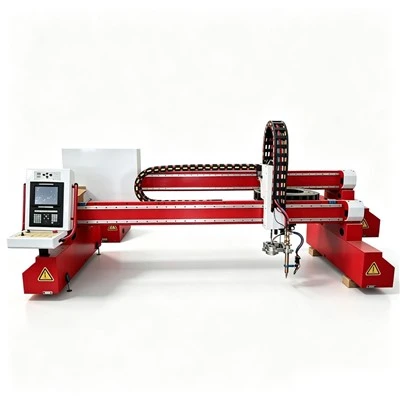
Large-Format Laser Cutting Machine Now, quick references for the stuff I mentioned earlier:
- National Tooling and Machining Association. (2022). Quality Standards for CNC Workholding and Accessories. Retrieved from industry trade database
- Haas Automation Inc. (2021). CNC Collet Performance and Tolerance Guidelines. Internal technical manual for machine tool users
- Society of Manufacturing Engineers. (2023). Small-Batch Production Best Practices for CNC Shops and Suppliers. SME Press
Hebei Juliang Technology Co., Ltd.
Hebei Juliang Technology Co., Ltd. is one of the most professional CNC-related accessories manufacturers and suppliers in China, featured by quality products and good service. Please rest assured to buy CE approved CNC-related accessories from our factory. Welcome to contact us for customized service and discount information.
Address: Building 1, Juluang Industrial Park, Gaocheng District, Shijiazhuang City, Hebei Province, China
E-mail: sales@jlwmb.com
WebSite: https://www.julasers.com/
