As a dried premium wild mushrooms supplier, I’ve spent the last 12 years listening to chefs, home cooks, and market vendors across Asia talk about the same thing: these aren’t just ingredients—they’re the flavor backbone of memories, family gatherings, and cultural identity. When I started this business in a small mountain town in Sichuan, I thought dried wild mushrooms were just a way to store the seasonal harvests of my uncle’s foraging trips. Today, I know they’re a centuries-old culinary tradition that every country in Asia has shaped in its own unique way. Each variety carries a distinct story of how it’s harvested, processed, and used, and that’s what makes our dried premium wild mushrooms so special—we source them directly from foragers who’ve inherited their craft from their parents and grandparents, no mass farming, no artificial additives, just the pure, concentrated flavor of the forest. Dried Premium Wild Mushrooms
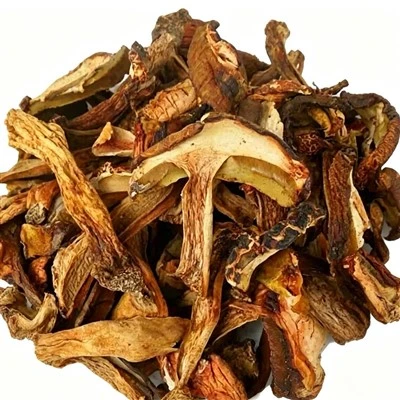
Let’s start with Japan, where dried wild mushrooms are woven into the very fabric of daily cooking, not just reserved for special occasions. The most iconic is shiitake, but not the common grocery store variety—this is the donko shiitake, the premium wild ones that grow on oak and beech trees in the mountainous regions of Tohoku and Kyushu. For centuries, Japanese cooks have used dried donko shiitake for their deep, umami-rich flavor that’s impossible to replicate with fresh mushrooms. The traditional preparation method is simple, but critical: you never cook dried shiitake straight from the bag. You rehydrate them in cold water for 8 to 12 hours (or overnight, if possible), and that soaking water is not thrown away—it’s the base for dashi, the soul of Japanese soup, simmered with konbu (kelp) to make a broth that’s used in miso soup, udon noodle dishes, and osechi, the New Year’s feast that’s all about prosperity and tradition. Osechi has specific dishes made with wild mushrooms: for example, shiitake no tsukudani, sweet-savory simmered shiitake that’s stored for months and eaten as a side with rice, a reminder of the forest’s gift to the household. I once worked with a Tokyo chef who told me that when his grandmother was alive, she’d send him a box of dried donko every New Year, and he’d use that exact water to make the dashi for his family’s osechi—she knew that the umami in that water was the taste of home.
Moving to Korea, where dried wild mushrooms are a key ingredient in royal cuisine as well as everyday home cooking. The most prized is songi, the matsutake mushroom, which grows in pine forests and has a spicy, piney aroma that’s one of the most expensive wild mushrooms in Asia. Songi is harvested in the fall, and dried songi is used when fresh is out of season, to bring that earthy, woody depth to dishes like jeongol, the Korean hot pot that’s served at family gatherings and holiday feasts. But it’s beoseot jeongol, a hot pot made with assorted dried wild mushrooms, that’s a staple in Korean cuisine. For generations, Korean housewives have kept a jar of mixed dried wild mushrooms in their pantries—usually including oak mushrooms (pyogo), shiitake, and enoki, but the wild ones add a richer, more complex flavor than farmed varieties. When making beoseot jeongol, the mushrooms are rehydrated, then simmered in a broth of soy sauce, garlic, and ginger, and sometimes added to bibimbap, the iconic rice dish where every ingredient has a specific place. I remember meeting a Korean-American home cook in Los Angeles who told me that her mother in Seoul would send her a bundle of dried songi every year, and she’d use one slice to make her son’s favorite fried rice for his birthday—she said even a tiny bit of that dried songi could turn plain rice into something that tasted like home, even 10,000 miles away. That’s the power of these mushrooms: they carry culture and memory in every dried fragment.
In China, the use of dried wild mushrooms is tied to both Taoist and Buddhist traditions, as well as regional cuisine that varies from Sichuan in the west to Guangdong in the south. The most famous is dong chong xia cao—wait, no, that’s a caterpillar fungus, not a mushroom. The real king of Chinese dried wild mushrooms is hong gu (Chinese black mushroom) and xiang gu (shiitake), but the premium wild variety is cao ba gu, the wild black mushroom from the mountainous regions of Yunnan. Yunnan is often called the “kingdom of mushrooms” because it has over 1,000 species of wild mushrooms, many of which are only eaten dried because fresh ones can be hard to transport. For Buddhist monks in China, wild dried mushrooms are a staple—they’re the main source of protein in a vegetarian diet, and their deep umami makes even plain tofu and vegetables taste satisfying. The traditional Buddhist dish su cai (vegetarian cuisine) relies heavily on dried wild mushrooms to replace the rich flavor of meat; for example, mo gu su ji, “vegetarian chicken” made with shredded wild mushrooms that’s seasoned with soy sauce and ginger, served with rice for pilgrims visiting temples. In Sichuan, the spicy hot pot (ma la huo guo) uses dried wild mushrooms to add earthiness that balances the heat of chili and Sichuan pepper—foraging for wild mushrooms is a spring ritual in Sichuan, and the dried ones are sold in local markets as soon as the season ends. I’ve visited a small market in Chengdu where an old forager told me he’s been gathering wild mushrooms in the nearby mountains for 50 years, and his dried hong gu is so prized that chefs come from across the city to buy it directly from him. He says you can’t fake the flavor of wild mushrooms—they grow in the shade of old trees, drink from mountain streams, and that’s why their dried form tastes like the forest itself.
Thailand and Vietnam also have rich traditions of using dried wild mushrooms, often in their signature soups and curries. In Thailand, hed rom (the black morel) and hed khon khao (wild bamboo mushroom) are dried and used in tom yum, the iconic spicy-sour soup. But the traditional use that stands out is in gaeng keow wan gai (green curry)—wait, no, green curry usually uses fresh herbs, but dried wild mushrooms are used in gaeng phet (red curry) when fresh mushrooms are out of season, adding a deep, woody flavor that cuts through the creaminess of coconut milk. In Vietnam, nấm linh chi (lingzhi mushroom) is dried and used in herbal teas and soups, not just for cooking but for its supposed health benefits—Vietnamese families have drunk lingzhi tea for centuries to boost immunity and support overall well-being. But the most common dried wild mushroom in Vietnam is nấm hương (shiitake), used in pho bo (beef noodle soup) to add umami to the broth, or in com tam (broken rice) dishes as a side. I worked with a Vietnamese chef in Ho Chi Minh City last year who told me that his grandmother would rehydrate dried shiitake overnight, then squeeze the water out and chop it up to mix into her meatballs for com tam—she said the mushrooms made the meat juicier and added a flavor that no farmed mushroom could match.
What many people don’t realize is that the traditional use of dried wild mushrooms in Asia isn’t just about flavor—it’s about sustainability and respect for nature. For thousands of years, foragers across Asia have harvested wild mushrooms with strict rules: they only take what they need, never pull the mushroom out by the root (they cut the cap at the base so the mycelium can grow back the next year), and they never harvest from protected areas. This is why our suppliers work with these foragers—we pay them a fair price, and we train them in sustainable foraging practices so that these forests will continue to produce mushrooms for future generations. When I first started my business, I thought premium wild mushrooms were a luxury product for high-end restaurants. But now, I know that home cooks all over Asia rely on them for every day cooking—they’re affordable, they last for months, and they turn a simple meal into something special.
Let’s talk about the practical side of using dried premium wild mushrooms, because for new cooks, it can be intimidating. The key is rehydration: never use boiling water, because that makes the mushrooms tough and washes out the flavor. Cold water is best for long rehydration (8-12 hours), while warm water (not hot) takes 1-2 hours. The soaking water is gold—strain it through a coffee filter to remove any sediment, and use it as a broth base for soups, stews, or sauces. For example, when making Japanese miso soup, you can use the shiitake soaking water instead of konbu dashi for a deeper, more earthy flavor. In Korean beoseot jeongol, the soaking water is the base of the broth, so you don’t need to add extra soy sauce for depth. In Chinese mo gu su ji, the mushrooms are simmered in their own soaking water, so every bit of that forest flavor is used.
I’ve seen the impact that these mushrooms have on people’s lives. Last year, I shipped a box of our premium dried donko shiitake to a family in Osaka whose mother was sick, and they told me that her favorite soup is miso soup with shiitake, and the mushrooms I sent tasted exactly like the ones she grew up with as a child. That’s why I do this job—its not just selling mushrooms, its preserving a tradition that connects people to their families, their culture, and the land.
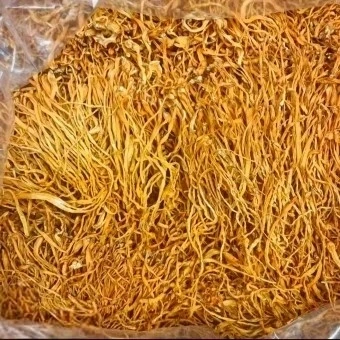
Now, if you’re a chef, a restaurant owner, or a home cook looking to add authentic, high-quality dried wild mushrooms to your dishes, I’m here to help. We work directly with foragers across Japan, Korea, China, Thailand, and Vietnam, so we can source the exact variety you need, whether its donko shiitake for Japanese osechi, songi for Korean hot pot, or wild Yunnan black mushrooms for Chinese vegetarian dishes. We test every batch for purity, no additives, no fillers, just the pure, concentrated flavor of the forest. If you want to learn more about our products, or place an order for your business, feel free to reach out to us to discuss your specific needs, and we’ll provide you with samples, pricing, and any information you need.
Cordyceps & Wellness Mushrooms References:
- Aoki, M. (2019). Traditional Japanese Mushroom Cuisine: Osechi and Beyond. Japanese Culinary Institute Press.
- Park, S. (2021). Wild Mushrooms in Korean Royal Cuisine. Seoul National University Food Research Center.
- Li, Y. (2020). Yunnan’s Wild Mushroom Heritage: Foraging and Culinary Practices. Yunnan People’s Publishing House.
- Nguyen, T. (2018). Vietnamese Culinary Traditions: Dried Mushrooms and Herbal Remedies. Ho Chi Minh City University of Agriculture and Forestry.
- Tanaka, H. (2022). Umami in Asian Cuisine: The Role of Dried Wild Mushrooms. Journal of Culinary Science and Technology, 20(3), 215-232.
Qingyuan Manchu Autonomous County Lichang Native Produce Co., Ltd.
We are one of the most professional dried premium wild mushrooms manufacturers and suppliers in China, featured by quality products and good price. Please rest assured to wholesale bulk dried premium wild mushrooms for sale here from our factory. Welcome to view our website for more information.
Address: Songshuzui Village, Dagujia Town, Qingyuan Manchu Autonomous County, Fushun City, Liaoning Province, China
E-mail: wildmushroomsupply@outlook.com
WebSite: https://www.wildmushroomsupply.com/
